🛎️ Claude Asks for Your ID

Good Morning, AI Enthusiasts!
One company is asking for your passport to use a chatbot, another is turning sneakers into GPUs.

TOKEN
Claude Asks for Your ID

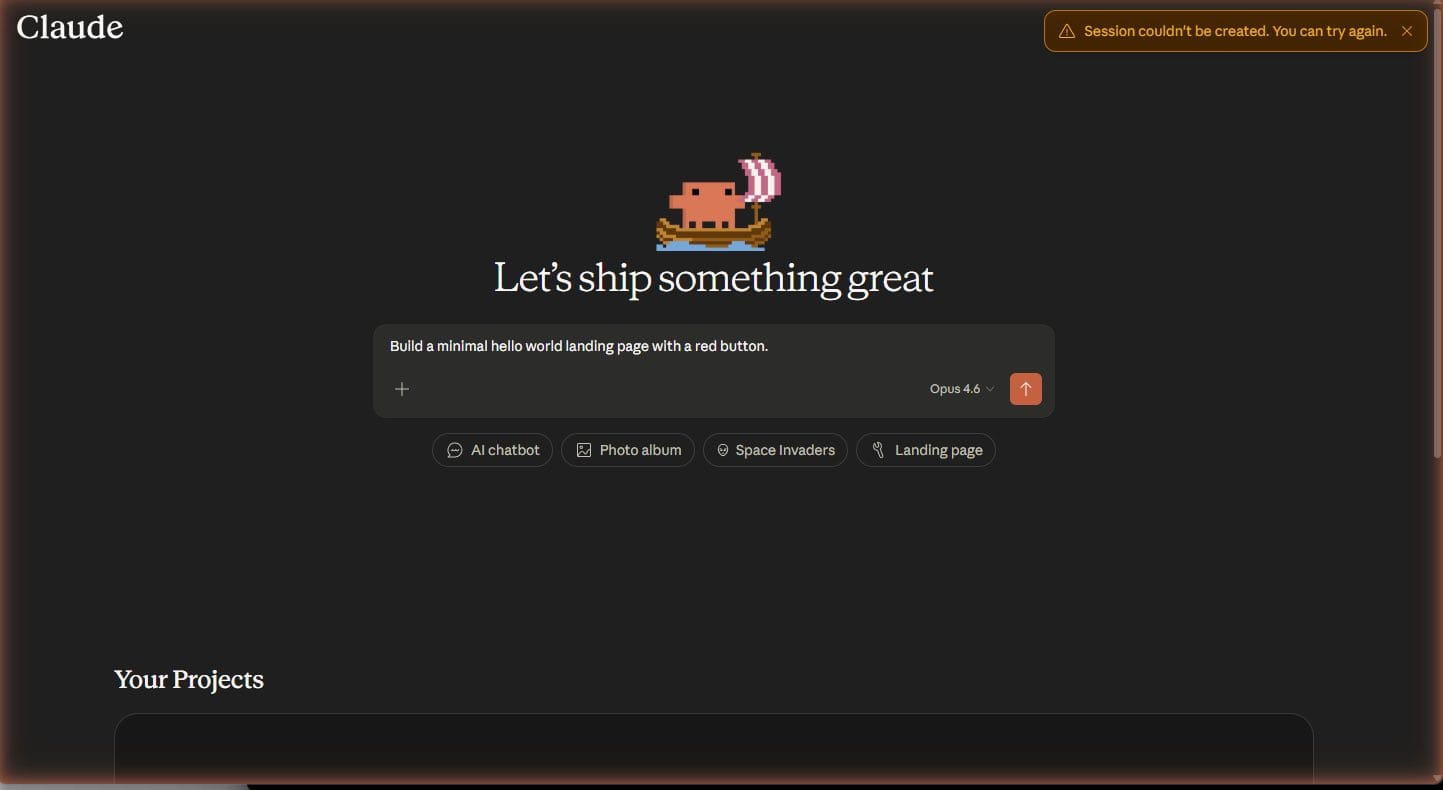
👀 What’s Happening: Dario Amodei warned in early 2026 that mistiming data center investment by even a few years could be “ruinous,” taking a swipe at what sounded like YOLO-style buildouts. Months later, Anthropic began gating Claude with ID verification and tighter access, requiring government-issued photo IDs and live camera checks for some use cases.
🌍 How This Hits Reality: The contrast is hard to ignore. OpenAI is tied to projects targeting up to $500 billion in AI infrastructure and multi-gigawatt capacity, with early deployments expected by 2026. Anthropic, backed by Amazon and Google, has announced large-scale TPU capacity, but meaningful new supply lands closer to 2027. In the meantime, demand for agent-style workloads is already multiplying token usage severalfold.
🛎️ Key Takeaway: The irony is structural. Calling excess early sounds disciplined, until scarcity shows up in your own product. If supply lags demand, the rhetoric flips fast from caution to constraint, and users feel it first.
TOGETHER WITH MYCLAW
Personal AI That Starts Personal
A personal AI shouldn’t feel generic. MyClaw lets you install skills that adapt to your preferences from the start, so your assistant feels relevant on day one. Behind the scenes, OpenClaw provides the agent power. What you see is a simpler way to put it to work.
If you’re serious about OpenClaw, don’t run it halfway. Run it the way it was meant to be run — fast, secure, and production-ready by default.
IPHONE
Apple Is Kicking AI Builders Out

👀 What’s Happening: Apple has started blocking updates from vibe Coding apps like Replit and Anything, claiming that AI-generated code bypasses App Store review and creates security risks. In reality, these tools mostly generate cloud-based web apps, not malware. Apple is forcing them to weaken features, delaying updates, and leaving iPhone users stuck on outdated versions.
🌍 How This Hits Reality: Apple is trying to protect the App Store’s control over distribution, payments, and its 15% to 30% commission. But Vibe Coding changes who gets to build software. People no longer need Xcode, a Mac, or years of engineering knowledge. They can create products directly from a browser or phone. By fighting this shift, Apple is trying to maintain the same closed-platform logic that once let Windows dominate the PC era, which is impossible.
🛎️ Key Takeaway: Apple is turning its own ecosystem into a trap that only traps itself. The harder it blocks AI-native tools, the faster developers and users will move toward the open web, Android, and OpenClaw like platforms that let them build without asking permission first.
INFRA
Allbirds Just Became an AI Infra
👀 What’s Happening: Once known for wool sneakers and Silicon Valley branding, Allbirds just sold off its shoe business, raised $50 million in convertible debt, and said it will pivot into GPU rental infrastructure under the new name “NewBird AI.” The market loved it. Shares briefly surged more than 800% in a single day. What was recently a struggling shoe company with a valuation only near $39 million suddenly became an AI infrastructure play overnight.
🌍 How This Hits Reality: This is what AI mania looks like. A consumer brand with no real history in chips, data centers, or cloud infrastructure can attach itself to GPU demand and instantly create more paper value than years of selling physical products. Investors are now treating “AI compute” as a stronger story than revenue, margins, supply chains, or product-market fit. The story is worth more than the business that built it.
🛎️ Key Takeaway: Expect more dying public companies to attempt the same move. AI infrastructure may become the new reverse merger trade.
AGENTS
Starbucks Releases a Skill
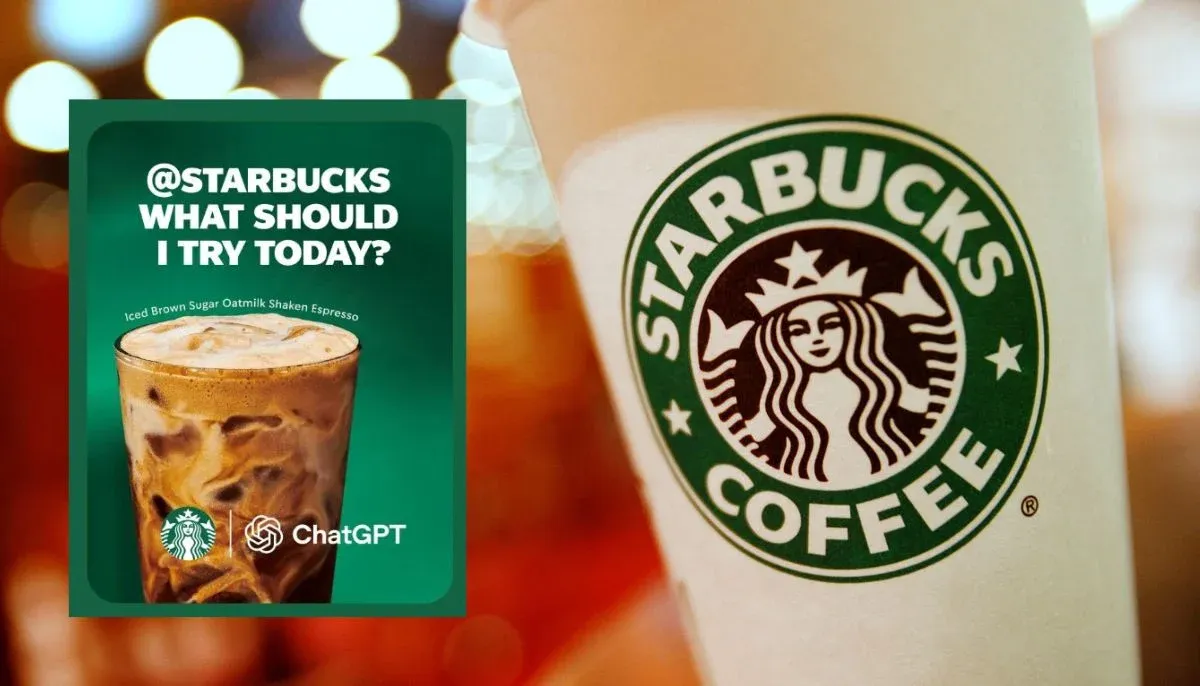
👀 What’s Happening: Starbucks launched a beta app inside ChatGPT that lets users describe a mood, craving, or dietary preference and get drink suggestions instantly without using menus or search bars. Users can customize the order and choose a nearby store, then finish checkout inside Starbucks’ own app. Right now it still stops short of full in-chat payment, but the connection layer is now in place.
🌍 How This Hits Reality: This matters because Starbucks is no longer acting like just a coffee chain. It is acting like a service endpoint for AI agents. Today ChatGPT suggests a drink and hands you off. Tomorrow, agents like OpenClaw could remember your usual order, your lactose preference, your location, your schedule, and directly place the order before your 9 a.m. meeting. The important shift is that brands are starting to expose themselves to AI workflows instead of forcing users through menus and search bars.
🛎️ Key Takeaway: This is an early but important move toward agent commerce. The winners may not be the brands with the best apps. They may be the brands that are easiest for AI systems to plug into and transact with.
DAILY TL;DR
- OpenAI updated its Agents SDK with sandboxing and long-horizon task support to help enterprises build safer and more capable agents.
- Adobe is bringing its Firefly creative agent into Claude, allowing users to move from idea generation to image editing directly inside the assistant.
- Anthropic’s Project Glasswing may have uncovered around 40 vulnerabilities, but only one FreeBSD flaw can currently be directly tied to the program.
- Google launched a Gemini app for Mac that lets users access the AI assistant anywhere on the desktop and share on-screen content for context.
- LinkedIn says hiring declines are still driven more by the economy than AI, but AI is expected to reshape the skills required for most jobs.
- AI learning app Gizmo has grown to 13 million users by turning notes into gamified study content and has now raised $22 million.
- Accel raised $5 billion to double down on late-stage AI investments across software, robotics, defense, and data center infrastructure.
- Jane Street signed a $6 billion cloud deal with CoreWeave and added a $1 billion investment, pushing its valuation, contracts, and spending even higher.
- Cadence and Nvidia are combining physics simulation engines with robot AI models while also expanding AI’s role in chip design.
READ MORE
Let the Future Come to Your Inbox
Stay ahead without drowning in information. We turn the most important signals across AI, tech, marketing, and future products into 5-minute reads you can actually finish.
- AI Secret uncovers what really matters in AI
- Bay Area Letters decodes tech and business shifts from Silicon Valley
- Robotics Herald tracks how robots move from labs into daily life
- Marketing Secret breaks down real growth and go-to-market playbooks
- The Hardwire explores hardware, consumer tech, and what’s coming next
TOGETHER WITH US
AI Secret Media Group is the world’s #1 AI & Tech Newsletter Group, reaching over 2 million leaders across the global innovation ecosystem, from OpenAI, Anthropic, Google, and Microsoft to top AI labs, VCs, and fast-growing startups.
We've helped promote over 500 Tech Brands. Will yours be the next?
Email our co-founder Mark directly at mark@aisecret.us if the button fails.